Home > News > $10.2m US Lobbying Bill: Tinubu, Atiku F...
$10.2m US Lobbying Bill: Tinubu, Atiku Face Questions Over ₦14bn Spending
By AnchorNews | 13 Sep, 2026 07:36:30am | 39
By Sandra Ugwu
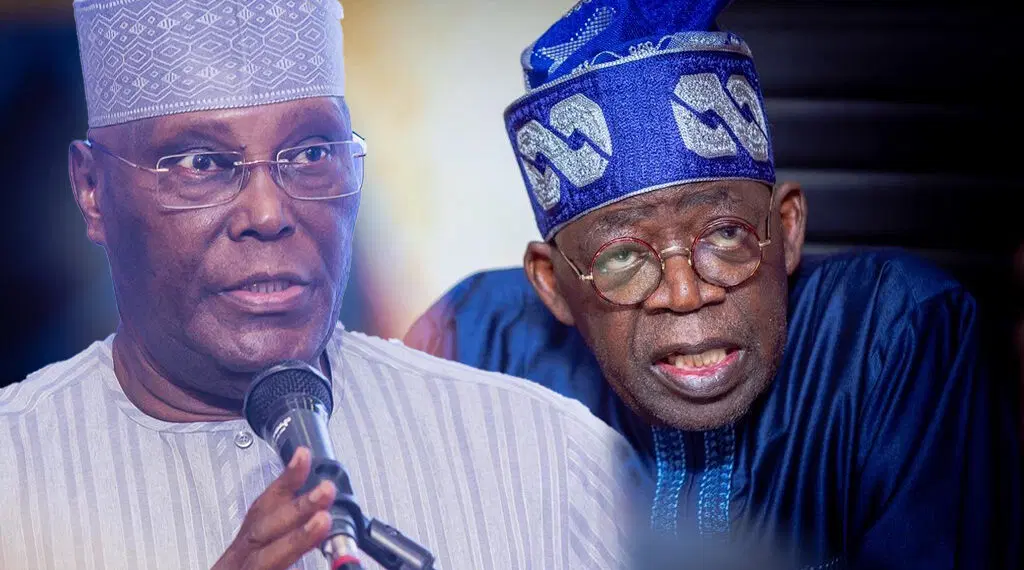
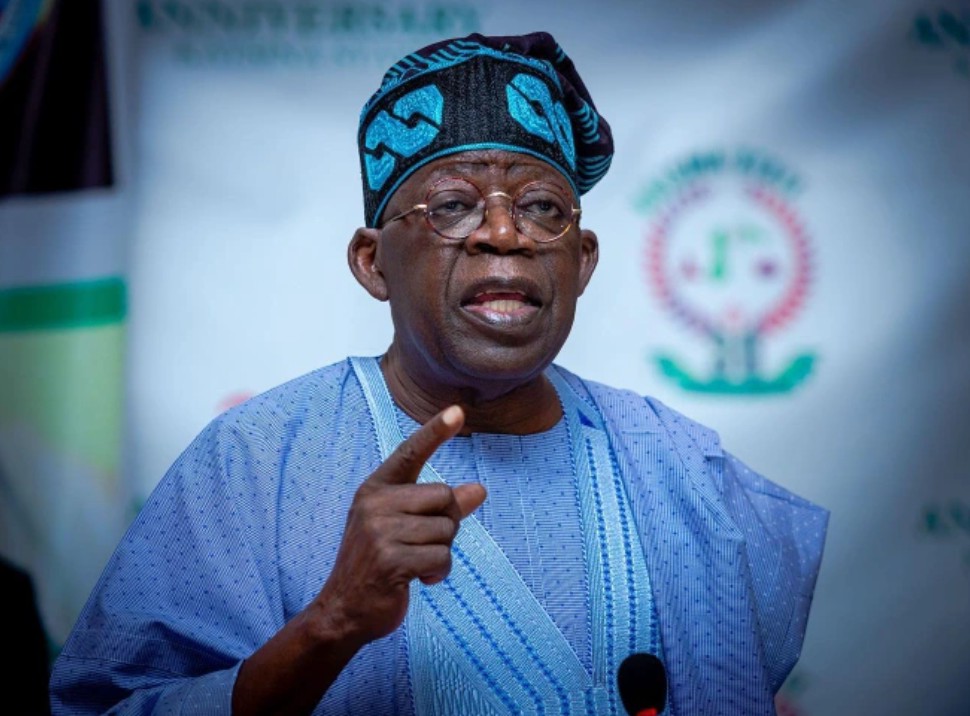
The reported $10.2 million spent on lobbying activities in the United States by the administration of President Bola Ahmed Tinubu and former Vice-President Atiku Abubakar has triggered fresh debate over Nigeria’s spending priorities. The amount, equivalent to about ₦14.28 billion at an exchange rate of ₦1,400 to the dollar, has prompted questions about what the funds could have achieved if invested in Nigeria’s struggling economy.
According to documents filed under the United States Foreign Agents Registration Act, FARA, the Federal Government engaged Washington-based DCI Group in December 2025 at a monthly retainer of $750,000. The initial six-month contract was valued at $4.5 million, with provisions that could raise the total to $9 million. The firm was reportedly engaged to communicate Nigeria’s position to US policymakers, particularly on the protection of Christian communities and continued American support for Nigeria’s counter-terrorism efforts.
Atiku, meanwhile, reportedly entered into a $1.2 million, 12-month agreement with Washington-based Von Batten-Montague-York, L.C. The US Department of Justice filing indicated that the engagement included facilitating contacts with members of Congress and executive-branch officials and providing strategic advice on policy positioning. Reports also indicated that the firm circulated historical US Department of Justice records relating to a 1993 asset-forfeiture case involving Atiku’s political rival, Tinubu, among officials and congressional staff.
The size of the expenditure has fuelled an opportunity-cost debate, with comparisons suggesting that ₦14 billion could theoretically finance about 56,000 microenterprises at ₦250,000 each. At ₦500,000 per beneficiary, it could support about 28,000 businesses, while ₦1 million per beneficiary would reach about 14,000 enterprises. The comparison does not imply that such funding would automatically create 56,000 sustainable businesses, as outcomes would depend on the financing model, administration, business survival, infrastructure and market access.
Education has also emerged as another possible destination for the funds. Based on the tuition figures cited for Lagos State University, ₦14 billion could theoretically cover the annual tuition of more than 155,000 students paying ₦90,000 each, or about 73,684 students paying ₦190,000. At a monthly allowance of ₦20,000, the same amount would equal 700,000 student-support payments, highlighting the scale of potential domestic interventions in a country facing significant education and financing challenges.
The debate, however, extends beyond whether lobbying is inherently wasteful. Government officials could argue that influencing policymakers in Washington has diplomatic, security and foreign-policy value that cannot easily be measured in naira, while Atiku’s expenditure represents private political activity. The central accountability question is whether the expected benefits justify the cost, particularly where public funds are involved. Rule of Law and Accountability Advocacy Centre executive director Okechukwu Nwanguma has therefore called for greater scrutiny of who was paid, how much was spent, the purpose of the expenditure and the measurable results expected.
Leave a Reply
Your email address will not be published. Required fields are marked *
Category
 Sports
  News
News Opinion
 Politics
 Technology
 Education
  Crime & Security
 Religion
 .jpeg) Interviews
Interviews Entertainment
 Culture & Tourism
 Business & Economy
 Health