Home > Business & Economy > Middle East Crisis: Oil Marketers Set to...
Middle East Crisis: Oil Marketers Set to Raise Petrol Prices as Crude Tops $100
By AnchorNews | 10 Sep, 2026 07:46:16am | 21
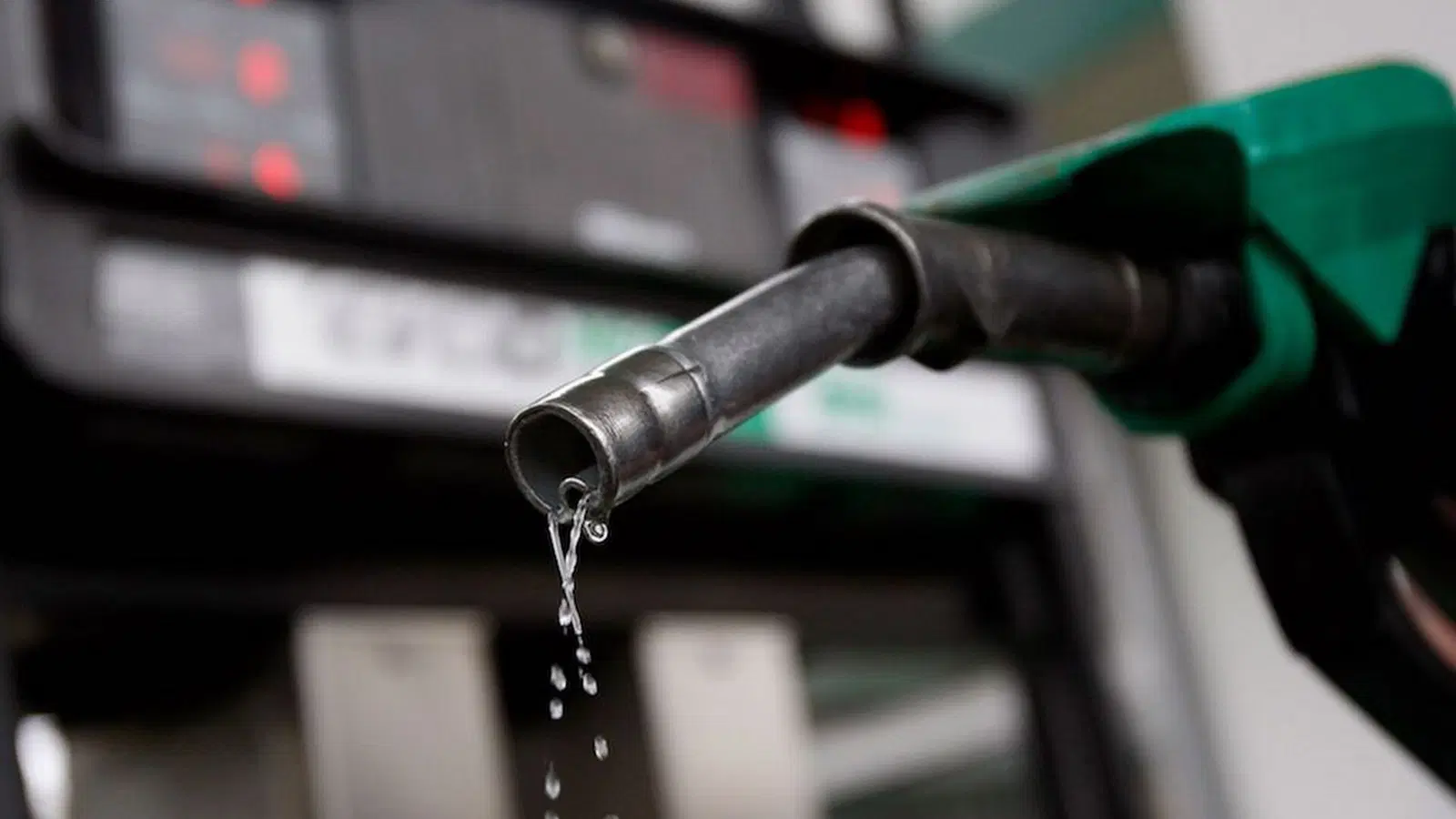
LAGOS - Nigerian oil marketers are preparing to increase petrol pump prices following a sharp rise in international crude oil prices, with benchmark crude trading above $100 per barrel amid escalating tensions in the Middle East.
The OPEC Basket, which includes Nigeria’s Bonny Light, climbed above $100 per barrel from over $95, while Brent crude rose to $100.60 and Murban crude reached $118.30 per barrel. The surge has heightened concerns over renewed pressure on fuel prices, transportation costs and the broader Nigerian economy.
Joseph Ehimen, Lagos State Chairman of the Petroleum Retail Outlets and Dealers Association of Nigeria (PETROAN), confirmed that marketers would review pump prices after their next purchases, saying adjustments would reflect market forces and associated costs, including logistics.
The development comes as Nigeria struggles to maximise the potential benefits of higher crude prices. OPEC data showed that the country’s crude production, excluding condensates, fell to 1.44 million barrels per day in July 2026, below its implied production target of 1.50 million barrels per day.
Economists and business leaders warned that sustained high crude prices could trigger increases in diesel, transport, freight, food distribution and manufacturing costs, worsening pressure on households and businesses. Small and medium-sized enterprises are considered particularly vulnerable because of existing energy and financing costs.
Despite the international price surge, petrol prices in Lagos remained largely within N1,266–N1,300 per litre at the time of reporting. However, some depots had already raised their prices, suggesting that prolonged high crude prices could eventually be transmitted more fully to consumers.
Industry stakeholders urged the Federal Government to respond without returning to a broad fuel subsidy. Their recommendations include strengthening domestic refining, ensuring adequate crude supply to Nigerian refineries, improving fuel distribution, supporting vulnerable households and businesses, and investing additional oil revenues in infrastructure, public transportation and alternative energy.
Analysts also warned that higher crude prices could exacerbate inflation. However, they noted that if the government manages the additional oil revenue prudently and invests it in productive infrastructure, the windfall could provide longer-term economic benefits, including job creation and poverty reduction.

Leave a Reply
Your email address will not be published. Required fields are marked *
Category
 Education
  Politics
 News
News Opinion
 Health
 Technology
 Culture & Tourism
 Business & Economy
.jpeg) Interviews
Interviews Religion
  Entertainment
 Sports
  Crime & Security