Home > Education > FG Moves to End HND Dichotomy, Grants Po...
FG Moves to End HND Dichotomy, Grants Polytechnics Degree-Awarding Powers
By Chimdiogo | 22 Jan, 2026 10:10:22am | 158

By Chimdiogo Amuh
Abuja — The Federal Government has announced plans to abolish the long-standing Higher National Diploma (HND) dichotomy by empowering polytechnics to award degrees, in a sweeping reform aimed at strengthening technical and vocational education as a catalyst for national development.
The Minister of Education, Dr. Tunji Alausa, disclosed this on Wednesday in Abuja while addressing a high-level retreat of council chairmen, commissioners of education, rectors, registrars and bursars.
Describing the initiative as a landmark policy shift, Dr. Alausa said the reform would end decades of discrimination against polytechnic graduates and reposition polytechnics as centres of excellence within Nigeria’s higher education system, while preserving their core strength in hands-on, industry-driven training.
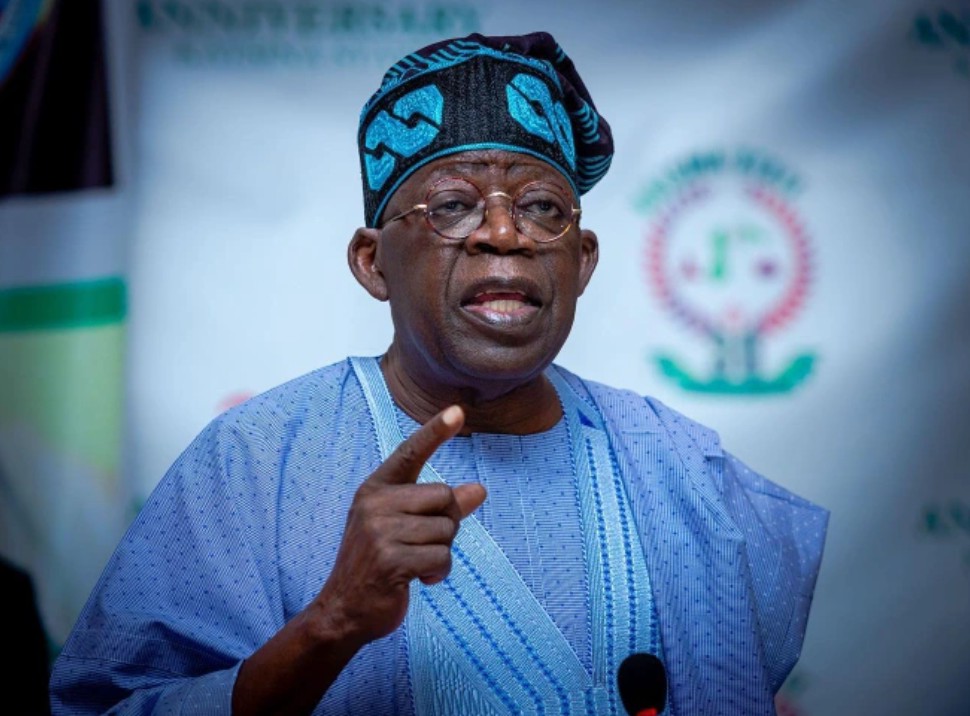
He noted that Nigeria’s future competitiveness depends on a workforce equipped to create, build and solve real-world problems, adding that the policy aligns with President Bola Ahmed Tinubu’s Renewed Hope Agenda, which prioritises job creation, industrial growth and human capital development.
With degree-awarding status, the minister said polytechnics are expected to attract stronger industry partnerships, improved funding opportunities and greater public confidence. He assured stakeholders that the transition would be guided by clear standards, strong regulation and robust quality-assurance mechanisms to ensure global competitiveness.
Speaking on the theme, “Transforming Polytechnic Education in Nigeria: Innovation, Good Governance and Sustainability for National Development,” Dr. Alausa described polytechnics as critical to building a skills-driven economy. He said the ministry had prioritised Technical and Vocational Education and Training (TVET) to produce industry-ready, innovative graduates capable of driving economic growth.
He urged polytechnic leaders to entrench innovation through entrepreneurship centres, research hubs and strong industry collaborations, identifying renewable energy, agri-technology, digital manufacturing and climate-resilient solutions as priority areas.
On governance, the minister stressed that transparency, accountability and ethical leadership must define the new era of polytechnic administration, calling for fiscal discipline, timely audits, prudent resource management and zero tolerance for corruption.
He also emphasised sustainability, encouraging institutions to boost internally generated revenue through production and services, develop eco-friendly campuses and build resilient infrastructure, while supporting national needs by reducing import dependence.
While acknowledging challenges such as funding gaps, outdated facilities and societal bias in favour of university degrees, Dr. Alausa said the opportunities ahead far outweigh the constraints. He reaffirmed the Federal Government’s commitment to supporting polytechnics through policy reforms, infrastructure upgrades and partnerships.
The minister further announced a special TETFund intervention this year to upgrade polytechnic engineering schools with state-of-the-art equipment, following a similar intervention for 12 medical colleges last year.
Education experts at the retreat described the announcement as a turning point, saying it would boost enrolment, motivate students and staff, and strengthen the contribution of polytechnics to key sectors including manufacturing, technology, agriculture and renewable energy.

Leave a Reply
Your email address will not be published. Required fields are marked *
Category
.jpeg) Interviews
Interviews Entertainment
 News
News Culture & Tourism
 Technology
 Crime & Security
 Politics
 Sports
  Business & Economy
 Opinion
 Education
  Religion
  Health