Home > Crime & Security > State Police Bill Faces Historic Senate ...
State Police Bill Faces Historic Senate Vote as Tinubu Pushes Security Reform
By AnchorNews | 24 Jun, 2026 07:07:37am | 36
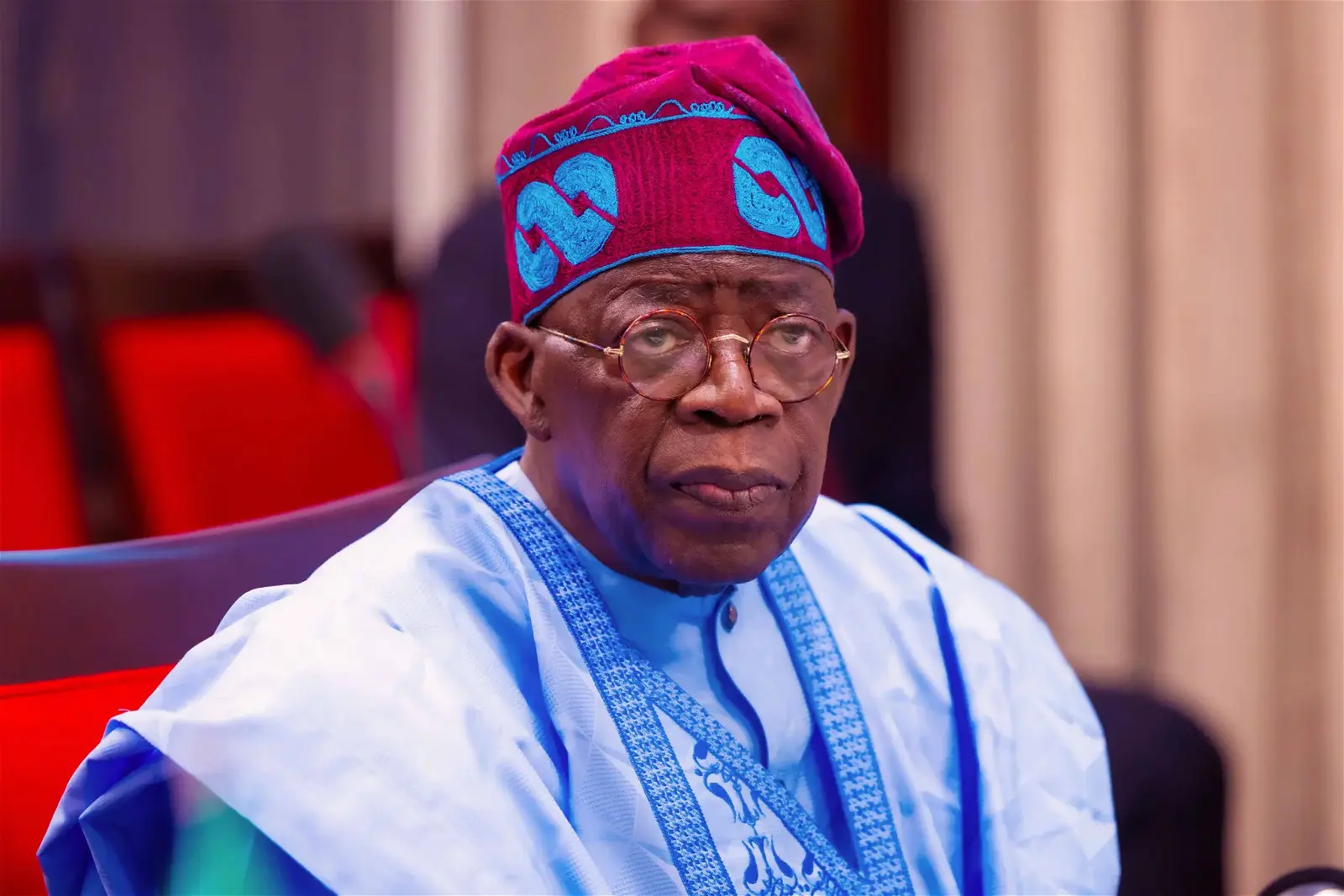
Nigeria may be on the verge of its most significant policing reform since independence as the Senate prepares to vote on a constitutional amendment seeking the creation of state police services across the federation.
The move gained momentum after President Bola Tinubu formally transmitted the State Police Bill to the National Assembly, urging lawmakers to expedite consideration of the proposal, which aims to decentralise policing and strengthen grassroots security.
Ahead of the vote, Senate President Godswill Akpabio called on senators to ensure full attendance, describing the bill as a landmark reform capable of reshaping Nigeria’s security architecture. He argued that decentralised policing would improve intelligence gathering, enhance community participation in security management and provide faster responses to emerging threats.
The proposed amendment comes amid growing concerns over terrorism, banditry, kidnapping and other violent crimes across the country. State governors have repeatedly advocated greater constitutional authority over security operations within their jurisdictions, arguing that the current centrally controlled policing system is overstretched and often unable to respond swiftly to local security challenges.
Security experts and retired senior officers have expressed mixed views on the extent of powers governors should wield under the proposed arrangement. Retired Brigadier General Peter Aro supported broad powers for state police in intelligence gathering, investigations and community security, but warned that strong safeguards must be established to prevent political abuse.
Similarly, retired Assistant Inspector-General of Police Ali Amodu argued that governors should naturally have significant influence over state police since they would be responsible for funding and maintaining the force. He maintained that concerns about possible abuse should not delay implementation of a reform many consider necessary to tackle worsening insecurity.
However, retired AIG Wilson Inalegwu cautioned against granting excessive powers to governors, insisting that robust oversight institutions must accompany any decentralised policing structure. According to him, state police should focus on local crimes, while offences that transcend state boundaries, such as cybercrime, kidnapping, banditry and human trafficking, should remain under federal jurisdiction.
Adding to the debate, retired Commodore Omatseye Nesiama proposed the establishment of independent state police commissions to advise governors and oversee policy implementation. He argued that state police would improve intelligence gathering and close security gaps created by bureaucratic delays within the existing system.
The Senate’s consideration of the bill was briefly delayed following the death of House of Representatives member Yaya Tongo, prompting lawmakers to suspend proceedings and observe a minute’s silence in his honour. Senate leadership subsequently adjourned plenary to allow deliberations on the constitutional amendment to proceed.
For the amendment to become law, it must secure the support of at least two-thirds of members of both chambers of the National Assembly and subsequently receive approval from no fewer than 24 state Houses of Assembly before being presented to the President for assent.
If passed, the legislation would mark a historic shift from Nigeria’s long-standing centralised policing structure to a decentralised system designed to give states greater responsibility for maintaining security within their territories. Supporters believe the reform could transform local security management, while critics continue to warn against potential political interference and misuse of police powers.

Leave a Reply
Your email address will not be published. Required fields are marked *
Category
 Opinion
 Culture & Tourism
 Education
  Health
 Business & Economy
 Sports
  Crime & Security
 Politics
 Religion
  Entertainment
.jpeg) Interviews
Interviews News
News Technology