Home > News > Nigerians Make Demand Ahead of 2027 Elec...
Nigerians Make Demand Ahead of 2027 Elections
By AnchorNews | 08 Nov, 2026 07:27:14am | 61
By Sandra Ugwu
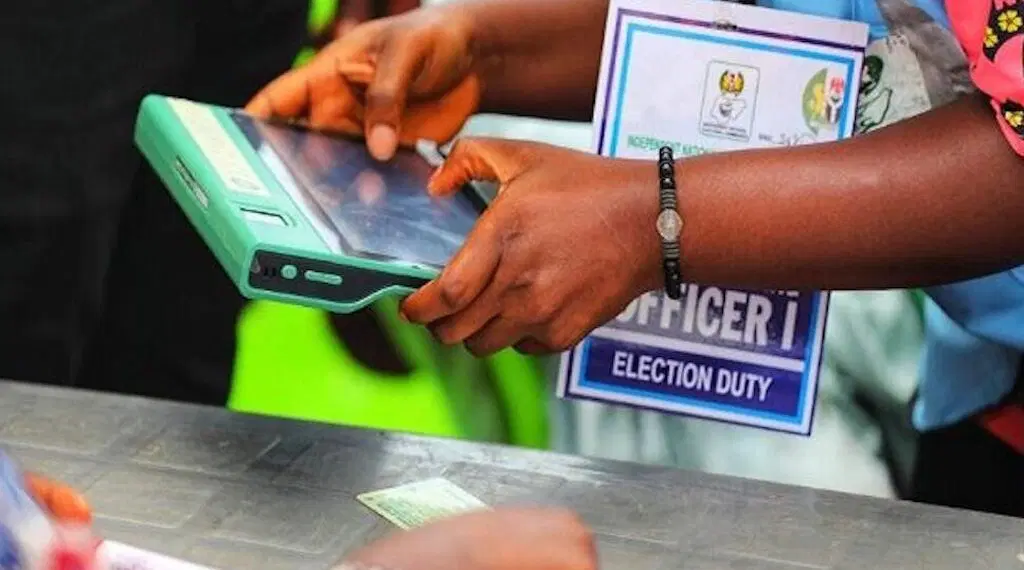
As Nigeria moves closer to the 2027 general elections, citizens across the country have urged presidential candidates to prioritise economic recovery, security, employment generation, stable electricity and improved social welfare, insisting that the next administration must translate campaign promises into tangible improvements in their living conditions.
The demands emerged from a nationwide public opinion survey published by Sunday Vanguard on November 8, 2026, in which respondents from different states and professional backgrounds outlined their expectations of whoever emerges as Nigeria’s next president.
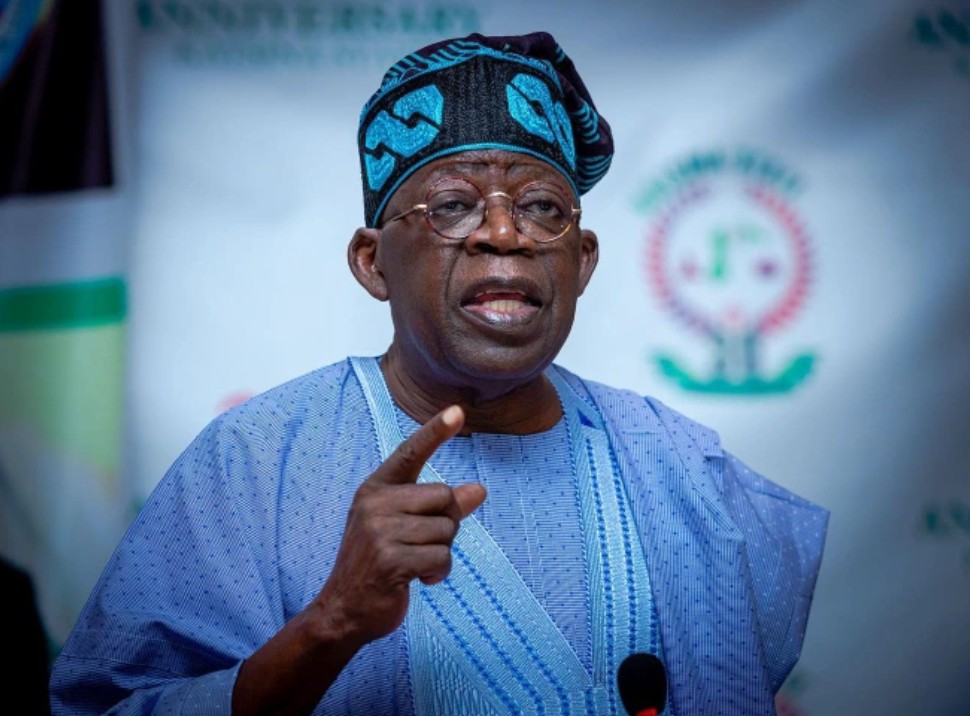
With President Bola Tinubu seeking re-election, alongside contenders including former Vice-President Atiku Abubakar, former Anambra State Governor Peter Obi and Oyo State Governor Seyi Makinde, respondents said the 2027 election should be about addressing the everyday challenges confronting ordinary Nigerians rather than political rhetoric.
Seven major areas dominated the respondents' expectations: insecurity, rising cost of living, reliable electricity and infrastructure, employment and youth empowerment, quality education, accessible healthcare, and accountability in governance.
Community leader Olufemi Adeniyi, from Abeokuta, called for urgent government intervention to reduce the prices of food, petroleum products, cooking gas and building materials, particularly cement. He also urged the incoming administration to revitalise the healthcare system and make medical services affordable and accessible to all citizens.
Similarly, businessman Adebayo Adelaja advocated measures to cushion the effects of rising fuel prices, tackle insecurity and reopen Nigeria's land borders to stimulate trade and economic activities. He also called for a review of pilgrimage expenditure, arguing that public resources should be directed towards essential social needs.
On electricity, Joseph Emeribe from Ekiti State described stable power supply as fundamental to industrial growth, employment generation and national development. He argued that dependable electricity would reduce production costs, strengthen businesses and discourage young Nigerians from seeking opportunities abroad.
Waheed Saka, Convener of Dialogue 365, also identified security, electricity and job creation as critical priorities, supporting the establishment of state police, provided adequate safeguards were introduced to prevent abuse.
Other respondents called for the revival of government-owned refineries to increase domestic refining capacity, reduce fuel costs and ease the economic burden on households and businesses.
Public relations expert Obinna Inogbo proposed a social welfare programme that would provide N50,000 monthly support to vulnerable Nigerians for a specified period. He also advocated improved remuneration for security personnel, entrepreneurship education in secondary schools, rehabilitation of public schools and affordable participation in the political process.
Legal practitioner Evans Ufeli and digital communications strategist Abiodun Yakubu similarly stressed the need for affordable living, reliable electricity, security, employment opportunities, functional public schools, accessible healthcare and transparent management of public resources.
Yakubu warned that insecurity, inflation and unemployment were worsening the difficulties faced by ordinary Nigerians, particularly young graduates struggling to secure decent employment. He urged the next administration to prioritise practical job creation, skills development and support for small businesses.
Some respondents also emphasised institutional reforms. Software developer Obiajulu Udemezue proposed changes to strengthen electoral transparency, judicial independence and accountability in the leadership of the Independent National Electoral Commission (INEC).
He advocated a more transparent electoral result verification system, greater judicial independence and direct election of INEC leadership by Nigerians.
Political analyst Dr Hashim Saludeen described Nigeria's challenges as extending beyond the economic crisis to include declining public trust, governance failures and weakening national cohesion. He called for comprehensive reforms in security, economic recovery, education, healthcare, employment and the rule of law.
Meanwhile, technology entrepreneur Nnamdi Orie urged the next administration to shift the economy from excessive dependence on consumption and imports towards domestic production, manufacturing, agriculture and exports. He also called for a reduction in the cost of governance and political expenditure.
In Lagos, traders, transport operators and unemployed graduates highlighted the immediate pressures affecting their livelihoods. A trader at Agege Market, Mrs Desoye Adewale, said reducing food prices and providing accessible loans to market women should be immediate priorities.
A ride-hailing driver, Jude Collins, called for affordable fuel, improved roads, completion of rail projects and better transportation systems, while an unemployed graduate, Taoreed Ahmed, demanded genuine employment opportunities, technology training and access to business capital rather than empowerment programmes limited to campaign promises.
Respondents from Plateau State also identified insecurity, economic recovery, job creation, improved electricity, education, healthcare and infrastructure as essential priorities, particularly stressing the need to protect farmers and rural communities from attacks and kidnappings.
Across the contributions, citizens maintained that the next president must demonstrate competence, political will, compassion and accountability in addressing the country's challenges.
They insisted that the success of the next administration should not be measured by campaign promises or government statistics alone, but by whether Nigerians can afford food, secure decent jobs, access quality education and healthcare, operate businesses without excessive energy costs and travel safely.
The respondents maintained that Nigerians were no longer asking for extravagant promises but practical leadership capable of restoring dignity, improving living standards and giving citizens renewed hope for a better future.

Leave a Reply
Your email address will not be published. Required fields are marked *
Category
 Politics
 Health
 Sports
 Business & Economy
 Culture & Tourism
 Education
 Technology
.jpeg) Interviews
 Entertainment
 News
 Religion
 Crime & Security
 Opinion