Home > News > Nigeria Fails US Fiscal Transparency Tes...
Nigeria Fails US Fiscal Transparency Test for Second Consecutive Year
By AnchorNews | 13 Aug, 2026 06:18:22am | 47
By Sandra Ugwu
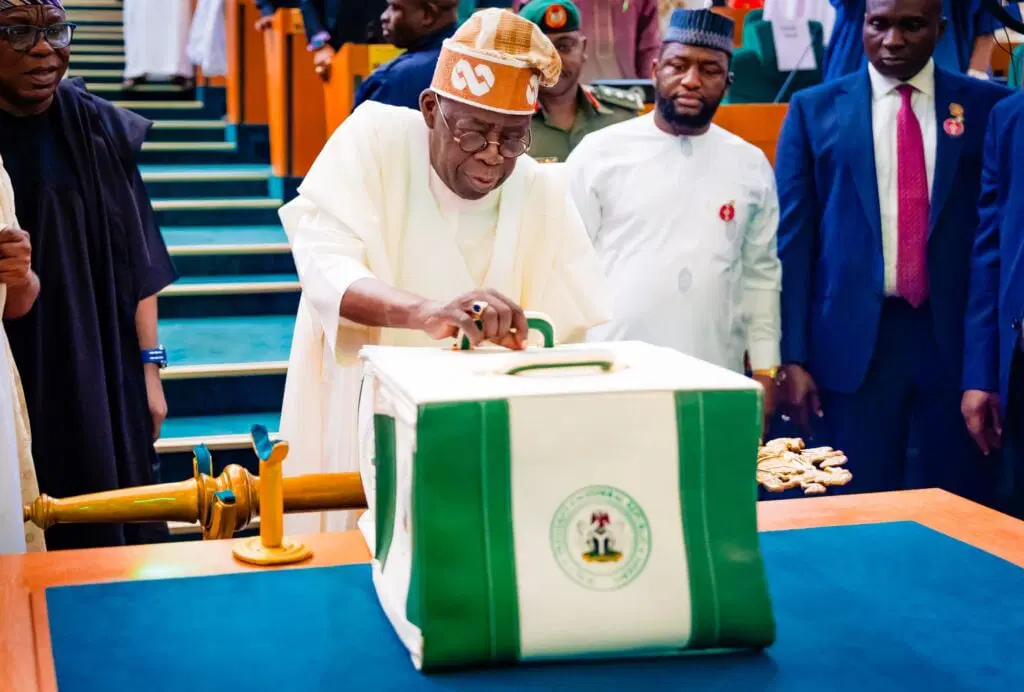
ABUJA - Nigeria has not satisfied the fiscal transparency measures defined by the United States for the past two years, the US Department of State said the Nigerian government did not make any significant effort to disclose her budget, lacked implementation reports, had not implemented auditor general's report obligations, and banned public access to procure information.
Only 139 governments and the Palestinian Authority were assessed in the 2026 Fiscal Transparency Report. The report shows that 73 jurisdictions met all the requirements and 67 did not. Among those that failed, 14 showed some degree of progress, and 53 (including Nigeria) were said to have made no significant progress over the course of the review period.
The report noted that its background information on Nigeria was obtained from the January to December 2025 visit to the country by the US Embassy in Abuja, various federal agencies, international institutions and civil society initiatives.
Nigeria has "incomplete information" about its budget documents, the State Department said, raising a special issue on the quality and completeness of Nigeria's budget information, noting that the Nigerian government also lacks a full picture of its revenues and expenditures.
The documents also lacked sufficient information on spending of resources—such as the allocations for executive offices, it said. The report also remarked that actual revenue and expense of the Government did not make a sense with the enacted budget.
Nigeria's budget documents now present a much more incomplete picture than they had in the last assessment, when the US rated them as showing “a substantial degree of completeness,” with regard to planned government revenue and spending.
The department also indicated that Nigeria did not present its executive budget proposal in time to afford it adequate public review and discussion prior to the start of the fiscal year.
The report further highlighted challenges of the independence and effectiveness of the supreme audit body in Nigeria namely the Office of the Auditor-General of the Federation.
The assessment found that it met only part of the international standard of independence and that it had not issued any substantive audit reports on time. This lack of independent and effective audit institution undermined lawmakers' and citizens' capability to exercise oversight over government expenditure, the US said.
Also under criticism in Nigeria: disclosure of contracts and natural resources contracts in the public procurement process.
Government procurement contracts information was not made readily available to citizens, the report said. Although Nigeria does have laws regulating their award of natural resources licences and contracts, key information of the concessions was not publicly disclosed once they are made, it said.
The US also pointed out that new terms of 2026 assessment added the requirement of "governments making the terms and conditions of sovereign loans, requiring liabilities and collateralised assets to be available publicly.
Special Adviser of the President on Media and Public Communication, Sunday Dare, said that effective public financial management, transparency and accountability are still the top priorities of the Federal Government in the wake of the report.
“Inability to read it as an appraisal of all reforms being carried out in Nigeria,” Dare said the report was an evaluation against “specific requirements of the U.S. fiscal-transparency policies.”
He noted that the government has intensified the implementation of various mechanisms such as the 'Open Treasury' initiative, public budget transparency, debt reporting and e-procurement systems; however, the reporting process of budget execution, audit mechanisms and the reporting systems in terms of disclosure of procurement decisions and execution remained to be institutionalized further.
But the US findings, Vahyala Kwaga, Country Director of BudgIT noted, was nothing new to Nigeria, which continues to struggle to good implementation and auditing the budget.
Kwaga said the budgeting process was often reported but the real problem was that there was no porosity and complete reporting of revenue generation and expenditure of approved monies.
He further castigated the Audit Committee not being independent, and the inadequate capital expenditure provisions and weak disclosure of procurement processes.
The US Department of State made several recommendations in order to enhance fiscal transparency in Nigeria, such as: to publish their executive budget proposals regularly; to report on the funds available to and budgets spent on government ministries by their source; and to explain in detail why their budgets have varied from what is actually spent.
It also appealed to Nigeria to increase momentum in making sure the Auditor-General's office is independent, audit reports are published and contract data for public procurement are readily available for the public.
The report also noted that Nigeria's enacted budget and financial report for the year has been made public, as also has been revealed data on government debt obligations, which also include debt held by large state-owned enterprises (SOEs), although such a disclosure was criticised.
The assessment is coming as Nigeria awaits the establishment of its budget process for 2027, and continues to face growing pressure from the Federal Government of Nigeria to overcome the opacity in its budget system that have kept it two years in a row short of the 2017 US minimum fiscal transparency.
Leave a Reply
Your email address will not be published. Required fields are marked *
Category
 Opinion
 Entertainment
 Education
  Culture & Tourism
 Health
 Crime & Security
 Sports
  Technology
.jpeg) Interviews
Interviews News
News Business & Economy
 Politics
 Religion