Home > Opinion > Civil War: Why Ojukwu Refused to Recogni...

Civil War: Why Ojukwu Refused to Recognise Gowon as Head of State - Abdulsalami Abubakar

By Admin   | 15 Jun, 2026 05:59:45am | 25

Share |      


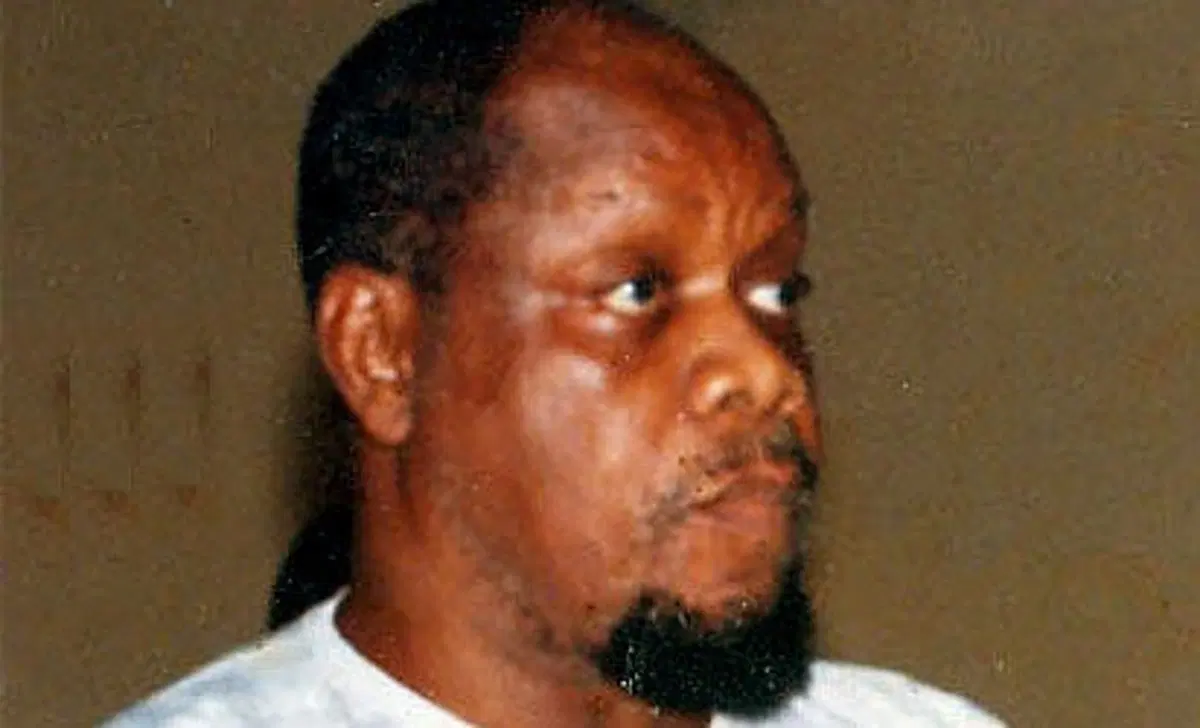
Abuja - Former Nigerian Head of State, Abdulsalami Abubakar, has revealed that the refusal of Chukwuemeka Odumegwu Ojukwu to recognise Yakubu Gowon as Nigeria’s Head of State after the 1966 counter-coup stemmed primarily from military hierarchy and constitutional succession concerns.

The account is contained in Abubakar’s autobiography, Call of Duty, unveiled in Abuja during activities marking his 84th birthday.

According to Abubakar, following the assassination of then Head of State Johnson Aguiyi-Ironsi in July 1966, Ojukwu maintained that the proper successor should have been Brigadier Babafemi Ogundipe, who was next in the military chain of command. Consequently, Ojukwu declined to pledge loyalty to Gowon, arguing that military hierarchy had been disregarded.

Abubakar also recalled that tensions had already escalated following allegations that Igbo officers were receiving preferential treatment in military promotions and the widespread anger in Northern Nigeria over the January 1966 coup led by Chukwuma Kaduna Nzeogwu. These grievances fueled anti-Igbo riots across several northern cities, including Kano, Kaduna, and Jos, resulting in killings, destruction of property, and mass displacement.

As violence intensified, many Igbos returned to the Eastern Region, while retaliatory attacks were reported in the East. The growing mistrust eventually culminated in Ojukwu’s declaration of the Republic of Biafra on May 30, 1967, a move that triggered the Nigerian Civil War.

Abubakar noted that diplomatic efforts, including the Aburi Accord held in Ghana, failed to resolve the crisis. Economic sanctions also proved ineffective, leading the federal government to launch military operations aimed at preserving Nigeria’s territorial integrity.

Reflecting on the conflict nearly six decades later, Abubakar argued that the civil war could have been avoided if cooler heads had prevailed and greater efforts had been made toward reconciliation and dialogue.

“To this day, I believe that the Civil War, like most other conflicts in life, could have been prevented,” he wrote, stressing that rising anger, mutual suspicion, and retaliatory actions left little room for compromise.

He further expressed hope that Nigeria would never again experience such a conflict, describing the war as a painful lesson that demonstrated both the fragility and resilience of the nation.

Abubakar also recounted what he described as one of the most costly tactical errors by federal troops during the war. Following the capture of Onitsha in 1968, federal forces reportedly advanced toward Awka believing victory was imminent. However, Biafran counterattacks struck their convoy, igniting fuel tankers and military vehicles and resulting in significant casualties.

The former Head of State concluded that despite the devastation of the war, Nigeria survived, reconciled, and remained united, allowing former adversaries to rebuild relationships within a single nation.

The remarks add fresh historical perspective to ongoing national conversations about unity, federalism, reconciliation, and the lessons of the Nigerian Civil War.


Leave a Reply

Your email address will not be published. Required fields are marked *

Category
Education
More Articles
Crime & Security
More Articles
Interviews
More Articles
Culture & Tourism
More Articles
Entertainment
More Articles
Business & Economy
More Articles
Technology
More Articles