Home > News > 2027: National Assembly Defends Electora...
2027: National Assembly Defends Electoral Act Amendment Amid Opposition Criticism
By AnchorNews | 20 Feb, 2026 09:49:45am | 191

By Sandra Ugwu
ABUJA - The National Assembly has defended the newly amended Electoral Act 2026, insisting that the legislation was passed in accordance with constitutional procedures and reflects the collective will of lawmakers, despite mounting criticism from opposition parties and civil society organisations.
Addressing journalists in Abuja, the House of Representatives Spokesman, Hon. Akin Rotimi, described the amendment as credible and inclusive, acknowledging that while no law is perfect, the process was carried out in the best interest of Nigerians. He rejected allegations that public opinion was disregarded during deliberations, stressing that democratisation remains a continuous process of improvement.
Rotimi clarified that the amended Act expressly recognises and mandates electronic transmission of election results, including the use of the Independent National Electoral Commission’s Result Viewing Portal (IReV). According to him, presiding officers are required to electronically transmit Form EC8A results directly from polling units, while manual collation is permitted only as a fallback option in cases of technical failure. He maintained that electronic transmission remains the primary method under the new framework.
He further explained that the harmonised version of the bill was produced by a bipartisan conference committee comprising members from the All Progressives Congress (APC), Peoples Democratic Party (PDP), Labour Party, and All Progressives Grand Alliance (APGA). The committee, he said, acted within its constitutional authority to reconcile differences between the House and Senate versions of the bill before final passage.
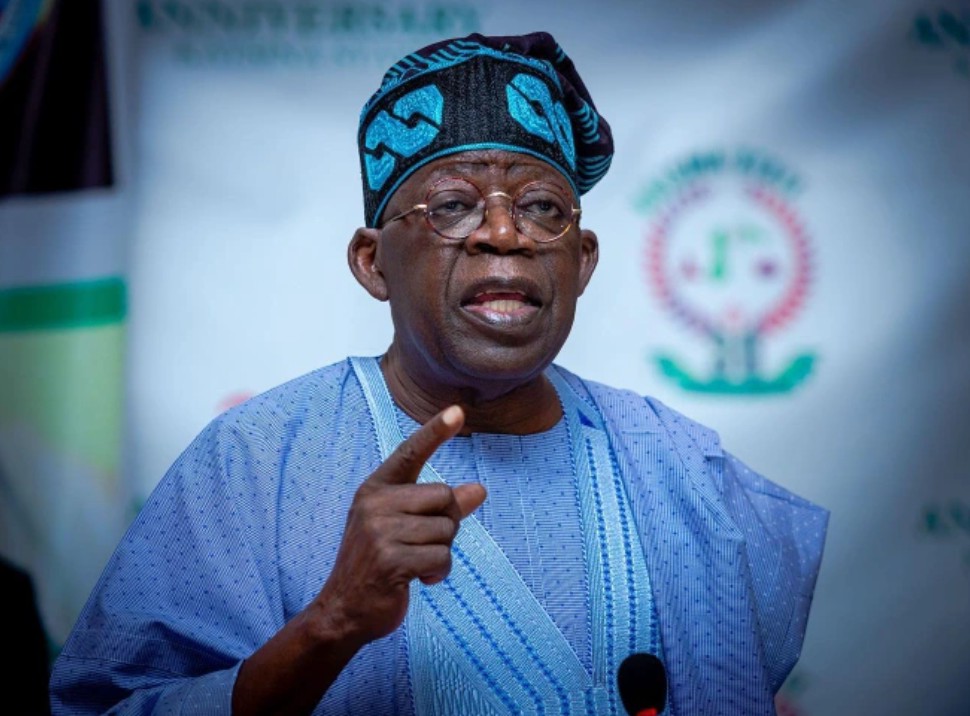
Responding to concerns about the speed with which President Bola Tinubu assented to the amendment, Rotimi argued that timely approval was necessary to provide certainty for the electoral timetable already announced by INEC. He noted that delays in signing the bill could have disrupted preparations for the 2027 general elections. He also welcomed calls for INEC to conduct a public simulation of its electronic transmission system ahead of the polls to further reassure Nigerians.
Despite these assurances, the amendment has drawn sharp criticism from opposition parties and civil society groups. The African Democratic Congress (ADC) accused the President of undermining democratic credibility by signing the bill despite widespread objections. In a statement issued by its National Publicity Secretary, Bolaji Abdullahi, the party described the swift assent as troubling and pledged to mobilise citizens to protect the integrity of future elections.
The ADC expressed concern that ambiguities in the collation and transmission process could create room for excessive discretion and possible manipulation, warning that voters might feel compelled to physically guard their votes to ensure transparency.
A coalition of civil society organisations, including the Centre for Media and Society (CEMESO), The Kukah Centre, International Press Centre (IPC), ElectHer, Nigerian Women Trust Fund, TAF Africa, and Yiaga Africa, described the amendment as a missed opportunity for deeper electoral reform. The groups criticised what they termed the speed and opacity of the legislative process, alleging that the harmonised version was adopted through a voice vote without prior distribution of the final text to lawmakers.
They also raised concerns about provisions such as the N50 million administrative fee for political party registration, arguing that it could limit youth participation and restrict political pluralism. According to the coalition, certain clauses in the amendment require clearer legal definitions to prevent conflicting interpretations during post-election disputes.
The Middle Belt Forum (MBF) similarly expressed reservations, warning that ambiguities regarding the precedence of electronically transmitted results and manually uploaded copies in the event of discrepancies during litigation could undermine confidence in the electoral process. The group urged lawmakers to revisit the legislation to provide explicit clarity and eliminate potential loopholes.
Rotimi also addressed reports that protesters demonstrating against the amendment at the National Assembly complex were tear-gassed. He described the incident as regrettable and inconsistent with constitutional protections, assuring that it was being investigated and reaffirming the right of citizens to peaceful protest.
As preparations for the 2027 general elections continue, the debate surrounding the Electoral Act 2026 highlights ongoing concerns about electoral transparency and public trust. While the National Assembly maintains that the amendment strengthens the legal framework for credible elections, critics argue that unresolved ambiguities could test confidence in the system. Observers note that the ultimate assessment of the law will depend not only on its provisions but on its implementation and the conduct of electoral authorities in the years ahead.

Leave a Reply
Your email address will not be published. Required fields are marked *
Category
 Education
  Politics
.jpeg) Interviews
Interviews Religion
  Business & Economy
 Crime & Security
 News
News Technology
 Entertainment
 Culture & Tourism
 Opinion
 Health
 Sports