Home > Politics > ENUGU 2027, ODERA’S MOMENT TO DEFINE A...
ENUGU 2027, ODERA’S MOMENT TO DEFINE A NEW POLITICAL POSSIBILITY
By Admin | 12 Oct, 2026 09:48:11pm | 6
By Dr. Buchi Nnaji | AnchorNews Media
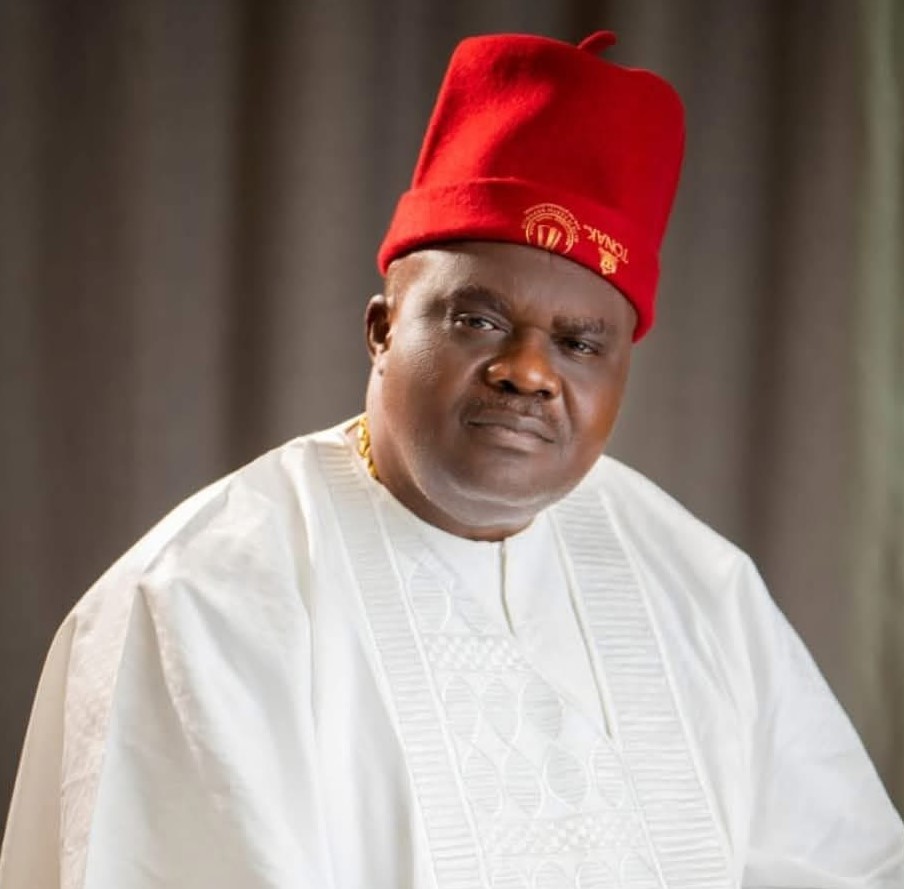
What does leadership mean to a patient discharged from hospital but unable to return home because of unpaid bills, or a young graduate with ambition but no opportunity to earn a living? For Chief Samson Chukwu Nnamani, popularly known as ODERA, these are human challenges his humanitarian interventions have sought to address. As Enugu approaches the 2027 governorship election, his record presents an opportunity to examine a different political possibility; one that connects compassion for individuals with practical solutions to the challenges facing the state.
Through the Odera Helping Hand Foundation, Nnamani has supported people facing medical bills and other hardships. Reported interventions include ₦14.5 million towards medical bills at the National Orthopaedic Hospital, Enugu, ₦10 million in hospital bills at the Enugu State University Teaching Hospital, Parklane, and ₦5 million in support for youth organisations in Nkanu. Reported by AnchorNews and Vanguard, these are examples of a wider body of humanitarian work, not its entirety. For patients unable to afford discharge and young people seeking opportunities, such assistance can offer immediate relief when personal resources fall short.
But ODERA’s political opportunity extends beyond philanthropy. The deeper question is whether the concern for individuals reflected in humanitarian work can inform a governing philosophy that tackles the conditions keeping people vulnerable. Patients should not have to depend on charity to overcome unaffordable medical bills; graduates need pathways into meaningful employment; and small businesses need the infrastructure and enabling environment to grow. Philanthropy can ease immediate hardship, but lasting progress requires public institutions and policies that prevent avoidable suffering and expand economic opportunity.
Nnamani has identified job creation, youth empowerment, education, healthcare, security, infrastructure, support for small businesses and inclusive governance among his priorities. He has also spoken of reviewing policies and practices that undermine citizens’ wellbeing and economic survival. The task is to turn these commitments into a practical programme with clear priorities, realistic financing, measurable targets and public accountability. For his 2027 ambition to resonate beyond supporters, Ndi Enugu must be able to see not only what he proposes to change, but how his administration would deliver those changes.
His business interests could also contribute to this agenda. Public profiles describe his involvement in agriculture and aquaculture, hospitality, manufacturing, transport and real estate. These sectors offer potential pathways to investment, local production and employment. A credible economic programme could strengthen agricultural value chains, support viable local enterprises, promote skills that match market needs and create a more favourable environment for investment. The real test would be whether such measures generate jobs, improve household incomes and spread economic opportunity beyond a limited circle of beneficiaries.
For Ndi Enugu, the practical questions are clear. How would an ODERA administration attract responsible investment, improve access to healthcare and education, help small businesses expand and create jobs for young people? How would it ensure that public spending delivers measurable benefits across communities? These are not arguments against his humanitarian record; they are the questions that must shape its political significance. His interventions demonstrate direct assistance, while his governorship ambition offers the opportunity to show how the values behind that assistance could influence public policy, budgets and accountable institutions.
Enugu’s 2027 political conversation should move beyond personalities, party slogans and campaign spectacles to examine the ideas, evidence and practical plans candidates offer. ODERA has a humanitarian record from which to build his case, but governing a state demands more than individual generosity. It requires the capacity to turn concern for people into institutions that work, policies that create opportunity and services that reach communities fairly. A credible programme connecting his humanitarian experience and business interests to these responsibilities would give Ndi Enugu a stronger basis for assessing the political alternative he represents.
The real promise of ODERA’s moment is the possibility of moving from helping people survive hardship to building a state in which more people can thrive. If Nnamani can translate his experience in humanitarian service and enterprise into practical policies, accountable institutions and measurable results, his 2027 ambition can become more than a personal political aspiration. It can offer Ndi Enugu a serious proposition for leadership—one judged not only by the help extended to people in moments of need, but by the jobs created, opportunities opened and lasting improvements delivered to their lives.

Leave a Reply
Your email address will not be published. Required fields are marked *
Category
.jpeg) Interviews
Interviews Culture & Tourism
 Crime & Security
 Entertainment
 Health
 News
News Opinion
 Politics
 Sports
  Business & Economy
 Religion
  Technology
 Education