Home > Crime & Security > Governors Split as State Police Debate D...
Governors Split as State Police Debate Deepens Amid Rising Insecurity
By AnchorNews | 23 Mar, 2026 12:49:26pm | 78
By AnchorNews Desk
ABUJA - The national conversation on the establishment of state police has intensified, as deepening insecurity across Nigeria continues to pressure political leaders into decisive action, even as sharp divisions persist among key stakeholders.
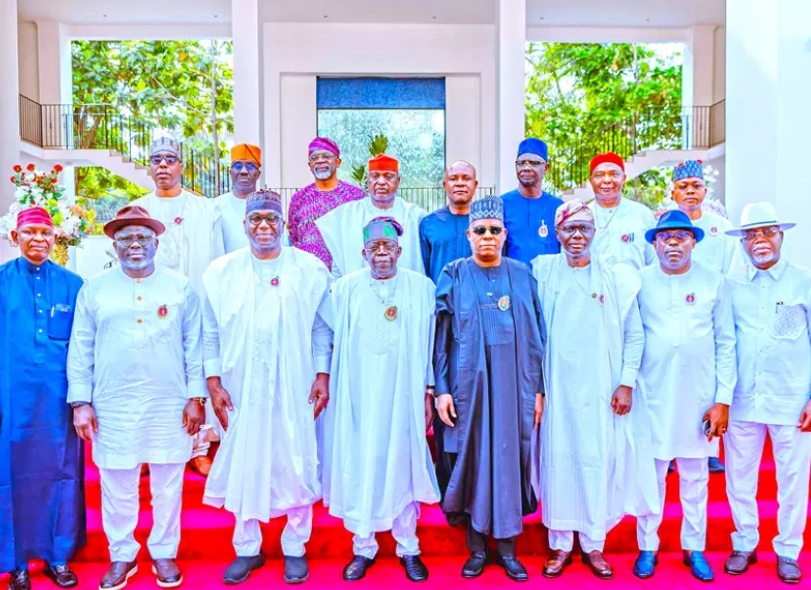
Across the federation, a growing number of governors are aligning behind the proposal, citing the urgent need for decentralised policing to address escalating cases of banditry, kidnapping, insurgency and communal violence. However, others have raised serious concerns, warning that without strong safeguards, state police could become a tool for political repression and abuse of power.
Among those advocating the reform are Ogun State Governor, Dapo Abiodun, Plateau State Governor, Caleb Mutfwang, and Kano State Governor, Abba Yusuf, alongside several other state leaders who have already begun strengthening local security structures. These efforts include the expansion of neighbourhood watch groups and community-based policing initiatives aimed at improving intelligence gathering and rapid response.
In the northern region, which remains one of the hardest hit by insecurity, the position is notably divided. While states like Kaduna, Plateau and Kano are making tangible moves toward decentralised security frameworks, others remain cautious. Borno State Governor, Babagana Zulum, has openly opposed the initiative, warning that Nigeria’s current political climate may not support the responsible operation of state-controlled police forces. Similar reservations have been echoed by stakeholders in Sokoto and beyond, who fear potential misuse against political opponents.
Conversely, support appears more consolidated in the southern part of the country. In the South-West, existing regional security outfits have strengthened calls for formal state policing structures, while South-South states such as Bayelsa, Delta and Akwa Ibom are expanding community safety corps to complement federal efforts. Edo State, however, has adopted a cautious stance, indicating it will await clear federal guidelines before taking further steps.
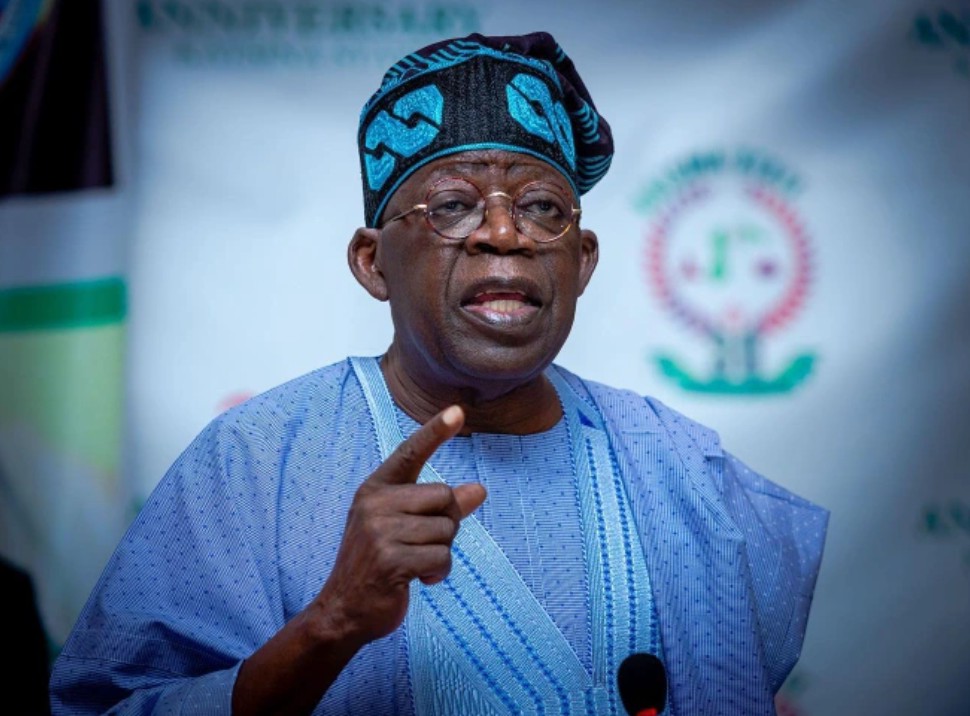
At the federal level, President Bola Tinubu has repeatedly expressed support for the initiative as part of broader efforts to tackle insecurity. In a related move, the Inspector General of Police, Olatunji Disu, has constituted a committee tasked with developing a workable framework for the proposed system.
Despite the growing momentum, constitutional requirements remain a critical hurdle. The pan-Yoruba socio-political organisation, Afenifere, has emphasized that the creation of state police cannot be achieved through executive action alone. According to the group, the process requires a constitutional amendment, with approval from the National Assembly and ratification by no fewer than 24 state Houses of Assembly.
Meanwhile, the National Assembly has assured Nigerians that concerns surrounding accountability and potential abuse will be addressed. Deputy Senate President, Senator Barau Jibrin, disclosed that ongoing constitutional review efforts would incorporate measures to ensure transparency, discipline and public trust in any new policing structure.
Security experts and public analysts continue to describe decentralised policing as inevitable, given Nigeria’s size, diversity and evolving security challenges. However, they stress that success will depend heavily on effective oversight, proper funding, professional training and insulation from political interference.
As the debate unfolds, Nigeria finds itself at a critical crossroads: faced with the urgent need to strengthen its security architecture, while carefully navigating the risks associated with devolving policing powers to the states.

Leave a Reply
Your email address will not be published. Required fields are marked *
Category
 Religion
  Opinion
.jpeg) Interviews
Interviews Health
 Sports
  Entertainment
 Culture & Tourism
 Technology
 Crime & Security
 Politics
 Business & Economy
 Education
  News
News